Why I Became a Milk Donor for Mothers’ Milk Bank: From Donor #21,000

I’ve worked at Rocky Mountain Children’s Health Foundation, the parent organization of Mothers’ Milk Bank, for just over three years. In that time, I’ve learned more about human milk than I ever imagined I would. So when I was expecting my first baby, I felt a special sense of peace knowing that if we needed donor milk when he was born, it would be available.

My little boy arrived in mid-August, and while I didn’t end up needing donor milk because my supply came in hot and heavy late one night, we still faced early challenges with jaundice and slow weight gain. I felt fortunate to have a strong supply and to be able to pump and stash milk for a rainy day. Quietly, I set a goal: if I ever needed to buy a freezer to keep up with all the milk I was saving, I would try to donate at least the minimum amount of 150 ounces.

Fast forward two months and we found ourselves purchasing a much-needed deep freeze to store the several gallon-sized bags taking over our regular freezer. A few weeks later, as the new freezer filled up, I knew exactly who to call.
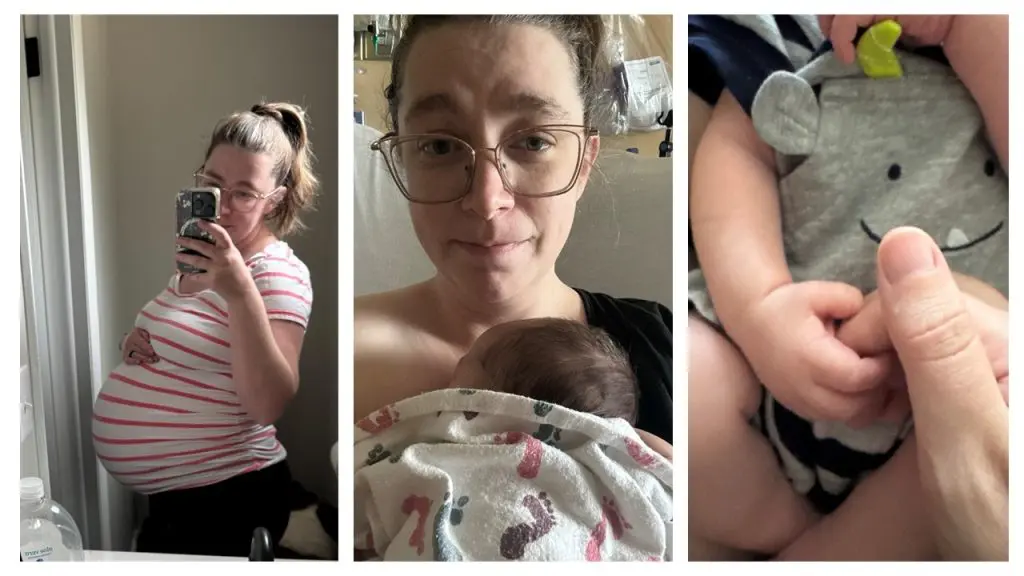
I wanted to give my milk to families who needed it—families facing the same challenges we did, but without the supply to keep up. As the weeks went on, new challenges emerged. After trying to figure out colic and GI issues for what felt like forever, we finally learned that my little guy had a cow’s milk protein allergy. Suddenly, the small donation I had planned on became much larger.

Because we received his diagnosis before I was officially approved to donate, I anxiously waited for the phone call. Thankfully, just one day later, the call came—we were approved.

Seeing all the milk I had carefully pumped and stored away for my baby, knowing I suddenly couldn’t give it to him, was heartbreaking. But I reminded myself that this milk would now be able feed so many tiny babies. Since a micro preemie may only need about one ounce of milk in an entire day, the milk we shared has the potential to nourish hundreds of babies across the country. Remembering that helped ease the sting of emptying the freezer I was once so excited to fill.

But the biggest reason I hoped to donate was to help other parents.
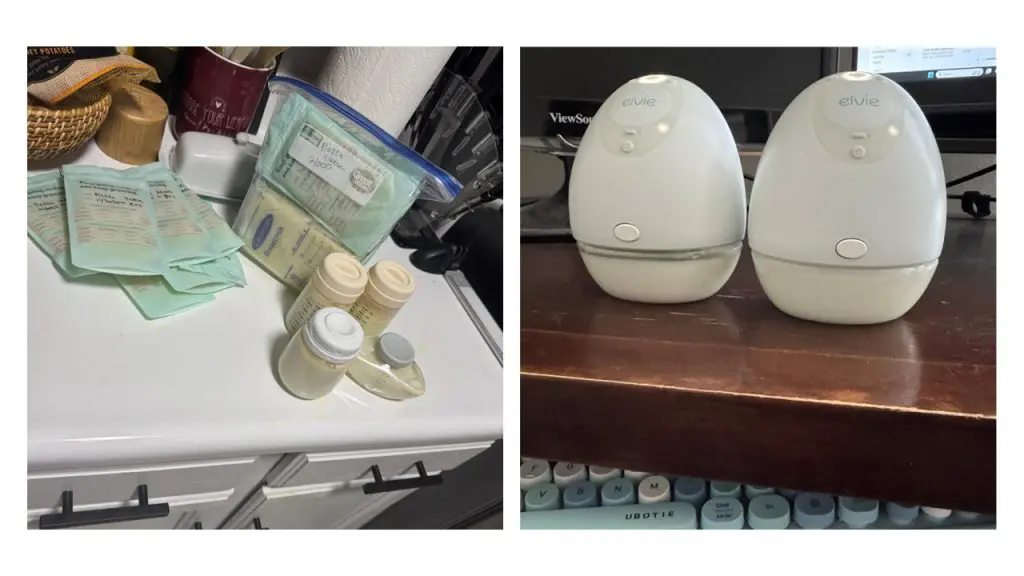
A milk donor's stash and milk

Becoming a mom is the best and hardest thing I have ever done. Suddenly, there is a person who didn’t exist before—and I am responsible for him. He needs me more than anyone else and relies on me for food and comfort. It’s incredible, wonderful, and intense. And it’s really hard.

Your heart becomes completely wrapped up in this tiny human, and your thoughts constantly jump between: Is he eating enough? Is he in pain? How will this change affect him? And of course, my personal favorite: Will this choice I’m making completely ruin his life?

If I could give another parent even a moment of peace seeing their child relax after filling their tummy, then I’d feel like I had done right by my son. Hopefully, donating sets an early example of kindness he can carry with him.

There are so many reasons why milk donation matters, and I’m incredibly proud to be one of more than 21,000 donors who have generously shared this precious resource. If you are a lactating parent with more milk than your baby needs, I encourage you to consider donating.

The process is simple (I know from experience), and you’ll be so glad you did.
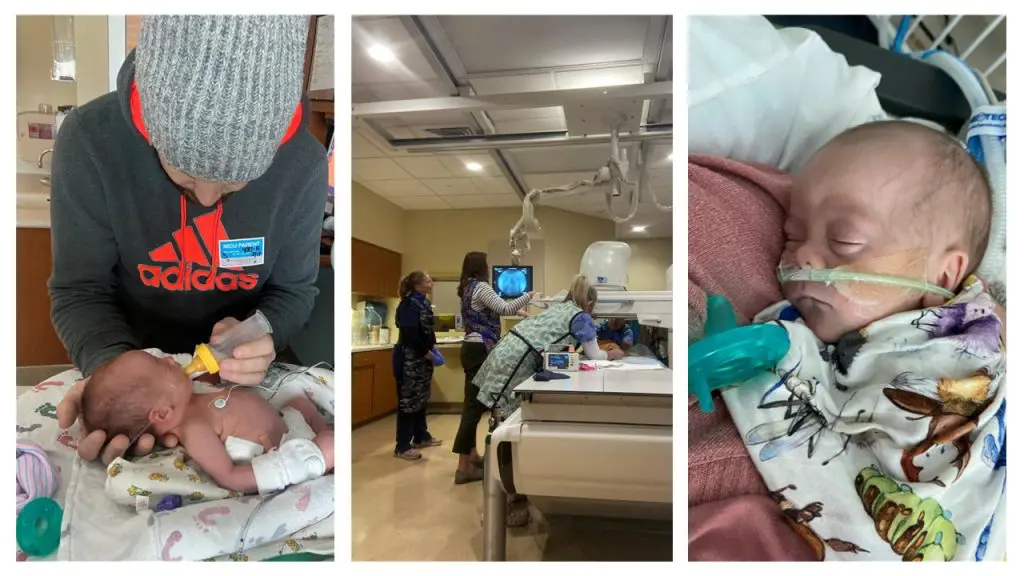
When Teresa and Jimmy’s son Oliver was born with esophageal atresia, a rare condition where the esophagus is not connected to the stomach, their world shifted instantly. Just a few hours old, tiny Oliver underwent surgery on his very first day of life.

The Care that Carried Oliver. Oliver needed surgery his first day of life.

A Scary Start

Teresa knew something was wrong long before Oliver was born. At her 20-week anatomy scan, doctors noticed signs that his esophagus wasn’t attached. From that moment on, the Teresa and Jimmy prepared for a complex medical journey and made the decision to transfer to HCA HealthONE Rocky Mountain Children’s, where Oliver could receive care in a Level IV NICU with specialized pediatric surgeons.

Oliver’s condition meant he wasn’t swallowing enough amniotic fluid, and Teresa needed an amniotic reduction late in pregnancy. It began as a routine procedure, but shifted suddenly and the room filled with doctors and nurses. Oliver’s heart rate was dropping. Teresa needed to deliver immediately, and she was rushed into an emergency C-section.

Oliver spent his first 28 days in the NICU before finally going home. Things were finally starting to settle down a little bit, but then Teresa experienced every parent’s worst nightmare—just three weeks after coming home, Oliver’s breathing stopped. She performed CPR until paramedics arrived and they rushed him to the hospital.

There, the care team discovered that on top of his esophageal atresia, Oliver had an abnormal connection between his trachea and esophagus, making breathing hard and recovering from even mild illnesses extremely difficult. He was breathing again, but these complications would mean multiple week-long hospitalizations in the months to come.

A Family Under Strain

While Oliver’s medical team worked tirelessly to care for him, Teresa and Jimmy were struggling to hold the rest of their lives together. One of Oliver’s hospitalizations happened during a time when the family was already falling behind on bills, and the added financial burden became overwhelming.

“There was a time when we were really struggling to get bills paid,” Teresa said. “I was so worried about what was going on at home that I couldn’t really focus on Oliver.”

That’s when the hospital’s social worker, Jami, reached out to Rocky Mountain Children’s Health Foundation (RMCHF). Through donor-supported programs, RMCHF stepped in to cover the family’s water bill.

“Just having that one bill paid and not having to worry about it was the biggest relief,” Teresa shared. “I could focus on my son. I could focus on myself. And I didn’t have to worry about something going wrong for my kids at home.”

Through programs like Patient and Family Assistance, RMCHF provides families with support for rent, utilities, food, gas cards, and essentials—ensuring parents can stay present during the most traumatic moments of their children’s lives.

“My job would be a lot harder without Rocky Mountain Children’s Health Foundation,” said Shandra, Oliver’s outpatient social worker. “They help families overcome barriers so kids can get the care they need.”

A Story of Strength and Support

For the Opel family, the journey hasn’t been easy. But they’ve never been alone.

“I feel like there’s a whole village behind us,” Teresa said. “We are so lucky for the support we’ve had.”

Thanks to compassionate healthcare providers and the generosity of RMCHF’s donor community, Oliver continues to grow, smile, and brighten every room he enters.

“He has this light-up-the-room smile,” said pediatric nurse Annie, one of the many caregivers who bonded instantly with Oliver and his family. “It warms your heart… he trusts you, and he truly loves being around the staff.”

You can make a difference for children like Oliver by making a gift to Rocky Mountain Children’s Health Foundation. Your support means that these families don’t have to face their child’s medical journey alone.


Baby Oliver smiles

Watch Oliver’s Story

At Rocky Mountain Children’s Health Foundation, we know how hard it is to navigate your child’s illness or injury, especially when they are in the hospital. We’ve seen it, we’ve experienced it ourselves, and we believe no family should have to go through that process alone.

While we can’t take away childhood illness, we can show up for these families when they need us. Every gift helps relieve stress, restore hope, and ensure that no family faces their child’s health journey alone. By covering the cost of everyday needs like rent, gas, or groceries, we help families be able to focus on what really matters: their child.

As we head into the holiday season, we wanted to share a few ways you can be part of our work. From dining out to sipping your favorite coffee or shopping for the holidays, each simple act can help make a big difference for the children and families we serve.

Here are seven ways you can get involved:

  1. Give a Gift to Support Children Colorado Gives Day is coming up on December 9th!
    A gift to Rocky Mountain Children’s Health Foundation goes a long way. When we receive a gift, the funds are almost immediately put to use supporting the families we serve. This year, be part of our big Colorado Gives Day fundraising push by giving a gift on December 9th. Even better, become a monthly donor and your gift will be matched through Colorado Gives! Learn more here.
  2. Shop, Eat, and Drink!
    • NOODLES & COMPANY – October 15, 4-8pm | Arvada Location (7450 W 52nd Ave)
      Enjoy your favorite noodles in-store or order online, and 25% of the proceeds will support Rocky Mountain Children’s Health Foundation. Mention the Foundation when you order and your meal will help make a difference! If you order online, use the code GIVING25.
    • DILLARD’S SHOP FOR A CAUSE – November 7–9
      Get a head start on your holiday shopping and make an impact while you do it! A portion of proceeds from this three-day event will come back to support RMCHF and the families we serve. Participating locations:

        • Park Meadows – 8415 Park Meadows Center Dr, Lone Tree, CO
        • Town Center at Aurora – 14200 East Alameda Ave, Aurora, CO
        • Southwest Plaza – 8501 W. Bowles Ave., Littleton, CO
        • FlatIron Crossing – 41 W. FlatIron Crossing, Broomfield, CO
  3. Host a Peer-to-Peer Fundraiser
    One of the most meaningful ways to support RMCHF is by sharing your story and hosting your own fundraiser. When people hear about your experience, they’re more likely to give generously — and together, we can make a real difference for children and families in need. Learn more here.
  4. Hope for the Holidays – Give a Family a Brighter Holiday Season
    Help bring joy to families facing tough times by adopting a family or making a contribution toward gifts and essentials this holiday season. Each year, we partner with healthcare professionals to identify pediatric patients and families in need — and your generosity brings hope, comfort, and smiles when it’s needed most. Learn more here.
  5. Donate Toys or Diapers, or Host a Drive
    On top of financial assistance, we also support families with tangible goods like toys, books, diapers, and car seats. You can donate new, unused items directly or even host a drive with friends, family, or your workplace. It’s a great way to build community and make a difference at the same time. Learn more here.
  6. Host your own Fundraising Event
    We love it when our community comes together to host an event to support our mission. Your event can be as simple as a dinner with friends or as extravagant as a golf tournament—or anything in-between! We’ll work closely with you to ensure your event is aligned with our needs and that you have what you need from us to make it successful.
  7. Donate Your Excess Breastmilk
    Did you know that RMCHF is home to Mothers’ Milk Bank? Through this program, we help provide donated human milk to hospitals and families across the country. This milk can be life-saving for premature babies in the neonatal intensive care unit, and helps new parents jumpstart their own breastfeeding journeys. If you are a lactating parent and want to learn more about human milk donation, visit milkbankcolorado.org.

However you choose to give back this season, your support helps bring comfort, care, and hope to families across Colorado. Even a follow on social media can go a long way in spreading awareness. Your support makes such a big difference in the lives of pediatric patients and their families, and we truly can’t thank you enough!


Thank you for being part of our RMCHF community!

September is Diaper Needs Awareness Month, and we’re spreading the word about the critical and sometimes overlooked issue of diaper needs. For many families, especially those facing financial hardships during their child’s medical journey, affording an adequate supply of diapers can be a daily struggle. At Rocky Mountain Children’s Health Foundation (RMCHF), we’re committed to helping these families by providing essential resources, including diapers, to ensure every child stays clean, dry, and healthy.

Why Diaper Need Matters

Diaper need affects 1 in 2 families in the United States. Without enough diapers, children are often left in soiled diapers for extended periods, leading to health risks. The lack of diapers can also impact a parent’s ability to go to work, school, or job training, as parents are often required to supply diapers for childcare.

How You Can Help

You can make a significant difference in the lives of the families we serve, by donating diapers to RMCHF. Here’s how to get involved:

  • Drop-Off Diapers at RMCHF: Diapers ranging from newborn to size 6, as well as pull-ups and wipes, can be dropped off at our office, 5394 Marshall Street, Unit 400, Arvada, CO. (We can even accept open boxes of diapers.) Make it really count and stop by our diaper drive Wednesday, September 24, 2025 from 6am-4pm.
  • Host a Diaper Drive: Gather your friends, family, and colleagues and host a diaper drive at work or in your community. Diaper drives are an easy way to rally your network and collect diapers for families in need. If you’re interested in hosting a drive contact, giving@rmchildren.org to learn more.
  • Shop Our Wishlist: Our online wishlist is an easy way to donate diapers to RMCHF. Simply purchase diapers, and they will ship directly to us!
  • Make a Financial Gift: Families facing their child’s medical crisis often just need the essentials to help ease stress. By making a gift, you can help us provide diapers and other essential items to pediatric patients and their families, making a huge difference when it matters the most.
Join Us in Making a Difference

Diaper Needs Awareness Month is a crucial time to come together and support the families we serve. By donating diapers or making a financial contribution, you can help RMCHF provide essential resources to families navigating their child’s medical journey. Every diaper counts, and your generosity will make an incredible difference in the lives of pediatric patients and their families.

As an active, outdoorsy crew, Mike and Jessica’s family loves spending time together outside. Alongside their daughter and son, they spend a lot of time gardening and especially growing garlic, which they share with friends and neighbors each year.

Their daughter Olivia is a vivacious little girl who keeps up with the best of them. She loves animals, especially her pet gecko, and fully embraces the joy of childhood. If you met her today, you’d never know that she was born six weeks early and spent her first weeks of life in the NICU.

An Unexpected Delivery

When Jessica went into labor at just 32 weeks, she and Mike knew their introduction to parenthood would look different than expected. Thankfully, doctors were able to delay labor for two weeks, but Jessica had to remain in the hospital until her daughter was born.

The sudden change left Mike—an engineer who’s used to facts, logic, and control—overwhelmed and full of questions.

“It was a very scary experience,” he shared, “especially when we had to leave her there. We had to go back to work while she was still in the NICU, and that was scary.”

How Donor Milk Became a Lifeline

Olivia was born at 34 weeks and found a temporary home in the NICU. As they settled into their routine there, Jessica quickly learned that she had very little control over her milk supply. Because Olivia was early, Jessica’s milk took a while to come in. With such a limited supply, they began to worry about how they would feed their tiny newborn—already so fragile and struggling in the NICU.

That’s when they were introduced to donor human milk from Mothers’ Milk Bank, a gift they will never forget.

“Since Olivia came prematurely, Jessica never really had a full milk supply,” Mike explained. “Even after her milk came in, she was only able to breastfeed for a few months, so we had to supplement with donor milk for quite a while.”

That donor milk was a lifesaver. It gave her the nutrients she needed to grow stronger, both in the NICU and in the critical months that followed at home.

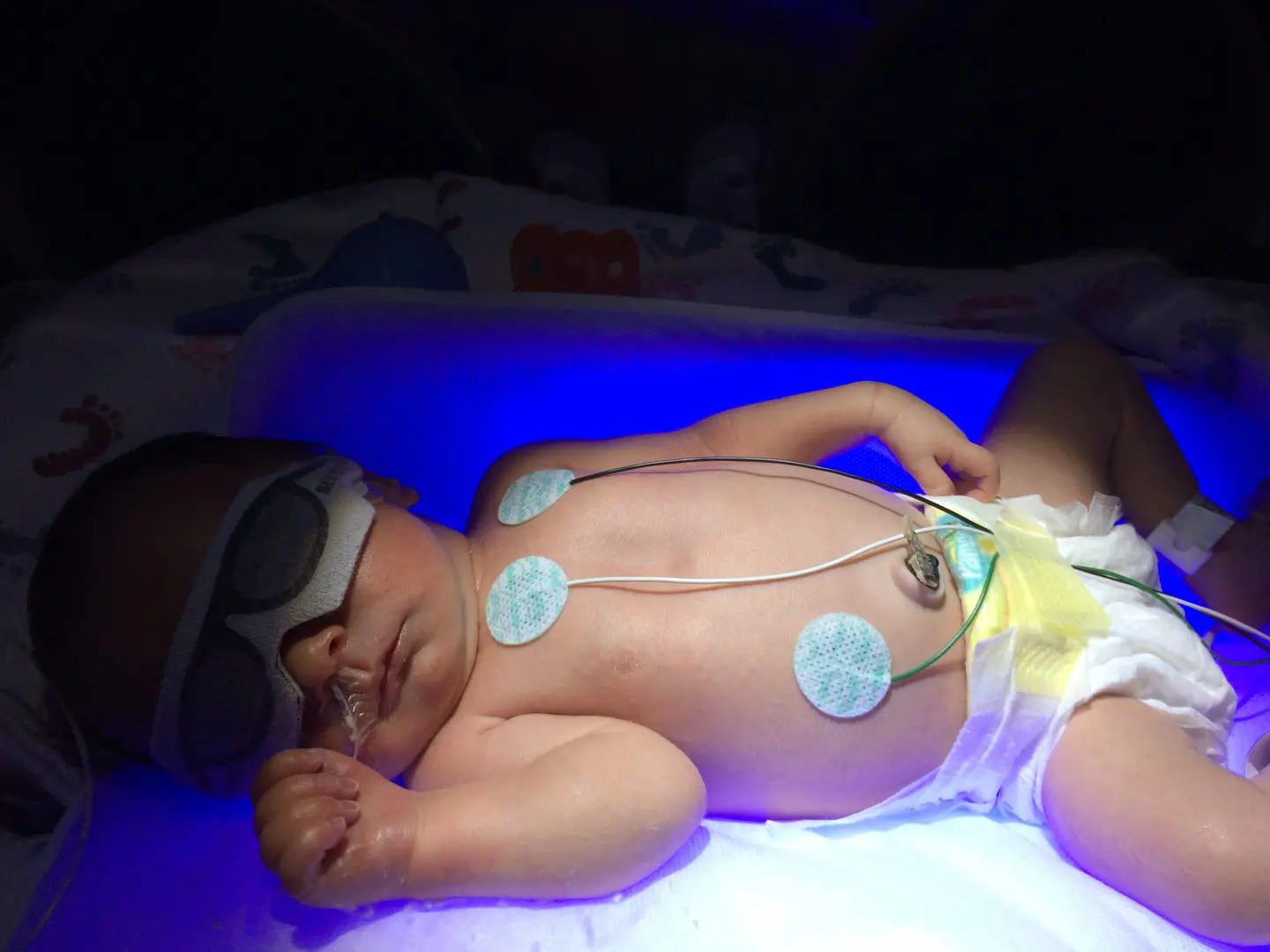
Olivia under the billi lights in the NICU

Happy, Healthy, and Grateful

Today, Olivia is a thriving fourth grader. She loves to draw and is an avid Denver Nuggets fan (even though the rest of the family isn’t big on basketball). Her joyful, energetic spirit is a daily reminder of just how far she’s come.

“Her outcome was really a best-case scenario,” Mike said, “and we’re just so grateful for that.”

Mike and Jessica know how different things might have been. They understand that many premature babies face lifelong health challenges, and they credit donor milk, given selflessly by other parents, as a vital part of Olivia’s healthy start.

“Milk donors are helping people they don’t even know during the most stressful moments of their lives,” Mike said. “They really are unsung heroes, and we’re so grateful.”

Giving Back, Ten Years Later

Nearly a decade after bringing Olivia home, Mike and Jessica are proud to support Rocky Mountain Children’s Health Foundation and Mothers’ Milk Bank. Like so many of our donors, their personal connection to our mission fuels their desire to give.

“When you’re raising kids and paying for a house, it’s hard to find extra money to donate,” Mike shared. “But we saved up until we could, and we hope we can increase the amount going forward. It’s really a dream come true and an honor to give back.”

How you can help NICU Families

This month, you can join Mike and Jessica in supporting babies in the NICU by making a gift to Rocky Mountain Children’s Health Foundation. Your donation provides lifesaving donor milk, gas cards, and other essentials to families going through one of the most stressful moments of their lives.

Together, we can ensure every baby—like Olivia—gets the healthiest possible start.

Lucy from the NICU to the Slopes

Lucy is a thriving 11-year-old with a kind heart and a fearless spirit. She’s the type of child who looks out for others, is a budding guitar player, and also happens to be on a competitive freestyle ski team—taking on epic ski jumps with confidence. Living her best life in Aspen, Colorado, you’d never guess that Lucy was born eight weeks premature and spent the first six weeks of her life in the Neonatal Intensive Care Unit (NICU).

For her parents, Kristen and Andrew, the months leading up to Lucy’s birth felt like a typical pregnancy. Kristen remembers feeling uncomfortable, but chalked it up to normal pregnancy symptoms. The couple even planned a babymoon and focused on enjoying life together before welcoming their baby girl.

At Kristen’s 32-week appointment, doctors noticed her blood pressure was unusually high. Although Kristen felt fine, her condition didn’t improve. She was diagnosed with preeclampsia—a serious pregnancy complication that, if untreated, can lead to liver failure and other risks for the mother. Due to the severity of her condition, Kristen was airlifted from Aspen to Presbyterian/St. Luke’s Medical Center in Denver for immediate care.

“She called me from the doctor’s office,” Andrew recalled. “It was crazy. I had to pack our bags, take care of the dogs, and get to Denver immediately.”

Knowing that an early delivery was likely, doctors administered a steroid shot to help support Lucy’s underdeveloped lungs. The catch? The shot meant they had to wait 48 hours before they could induce labor and the doctors had to keep Kristen stabilized and carefully monitor her preeclampsia symptoms during that time. After the 48 hours had passed they induced labor and whether they were ready or not, Lucy was on her way.

Labor was slow at first, but once it progressed, it went smoothly. Lucy was born weighing just 3 pounds, 3 ounces. On top of being very small, she had a blood clot in her left leg and numerous brain bleeds. Things escalated quickly.

“I noticed right away something looked different about her left leg,” Andrew said. “At first, I didn’t think much of it, but then they started pressing on it and working on it, and I knew something was wrong.”

Lucy in the nicu

Doctors jumped into action, spending the night stabilizing Lucy. Because of the brain bleeds, they couldn’t use typical treatments for blood clots. Despite their best efforts, they eventually delivered devastating news to Kristen and Andrew: they might have to amputate Lucy’s leg.

Like all new parents, Kristen and Andrew had imagined a future filled with first steps, running, and scraped knees. Facing the possibility of amputation was heartbreaking.

“It was one of the saddest and scariest moments for me and Kristen,” Andrew said.

The next morning, the couple awoke unsure of what to expect. To their relief, doctors told them Lucy had made a remarkable turnaround—the clot was dissolving on its own, and the color in her leg was returning. She wouldn’t need an amputation after all.

During all of this, Kristen had yet to meet her daughter. Due to her own complications, she wasn’t able to visit the NICU. But that evening, after getting the good news about Lucy’s leg, Andrew wheeled Kristen into the NICU and she finally met her baby girl.

The next six weeks were intense and transformative. Kristen and Andrew stayed with family in Denver and spent the holidays at the hospital, bonding with their daughter and learning how to care for her. The NICU nurses were incredibly supportive, helping them feel empowered in their new role as parents.

“The care and attention we received in the NICU truly impacted Lucy’s healing,” Kristen shared. “The hospital was so warm and welcoming—it made a difficult time feel a little less overwhelming.”

They felt supported, seen, and surrounded by people who genuinely cared for their family—something that stayed with them long after they brought Lucy home.

“That was a silver lining in all of this,” Kristen said. “We had professionals teaching us how to take care of her.”

While Lucy’s leg was healing, she still had a long road ahead. Brain scans, needles, and countless monitors filled their days. Lucy was so fragile that her parents couldn’t hold her until she was a week old. But she fought hard, achieving milestone after milestone. She eventually stopped needing a feeding tube and graduated to a lower level of NICU care.

And finally, after six long weeks, Lucy was strong enough to go home.

Throughout Lucy’s stay, Kristen began pumping breast milk, determined to provide for her daughter. Once home, with the help of a hospital-grade pump, her milk supply flourished. Inspired by how crucial breast milk had been for Lucy, Kristen decided to donate her extra supply—ultimately giving an astounding nine gallons to Mothers’ Milk Bank.

Kristen and Andrew’s experience changed their lives. They were grateful to have family nearby and not face financial hardship due to Lucy’s NICU stay. But they knew that wasn’t the case for everyone. Nurses shared stories of families who had to choose between being at the hospital or going to work—a heartbreaking decision no parent should have to make.

Determined to give back, Kristen and Andrew began supporting the Rocky Mountain Children’s Health Foundation. Their donations help ensure other families have access to donor milk and financial support during NICU stays.

“We were fortunate enough to have a place to go in the area,” they said. “It gives us a lot of pride to donate so that other families can receive the same level of care.”

Eleven years later, Kristen and Andrew still remember their experience vividly. To other families going through similar journeys, they offer this advice:

“You’re in good hands. Things may feel out of your control, but there are people there to care for you and who are doing their jobs. Ask questions, be involved, and stay calm.”

We are deeply grateful to Kristen and Andrew for their incredible support. You can join them in making a difference for NICU families by donating to Rocky Mountain Children’s Health Foundation during NICU Awareness Month.

Evalette is a spunky three-year-old, full of energy and joy. She loves swimming, bouncing on the trampoline with her big sister, and exploring the mountains of Wyoming with her family. But when her appendix burst, Evalette’s world shifted. She went from joyfully playing outside to enduring days on end in the hospital—a scary start of a long and complicated medical journey.

At first, Evalette was admitted to a hospital in Northeastern Wyoming. Over her nine days there, her condition worsened and she became septic, and they quickly transferred her to HCA HealthONE Rocky Mountain Children’s in Denver. There, she spent 12 days in the Pediatric Intensive Care Unit (PICU) before moving to the general pediatric unit.

Evalette was just two years old at the time, and spending weeks in the hospital was overwhelming. There were new sounds, unfamiliar routines, and scary procedures. Even basic tasks like dressing changes became deeply distressing. Taysha, her mom, watched her vibrant little girl begin to shut down.

“She went a whole month without talking,” Taysha shared. “That was really hard. She didn’t want to laugh, walk, or play.”

How a Furry Friend Changed Everything

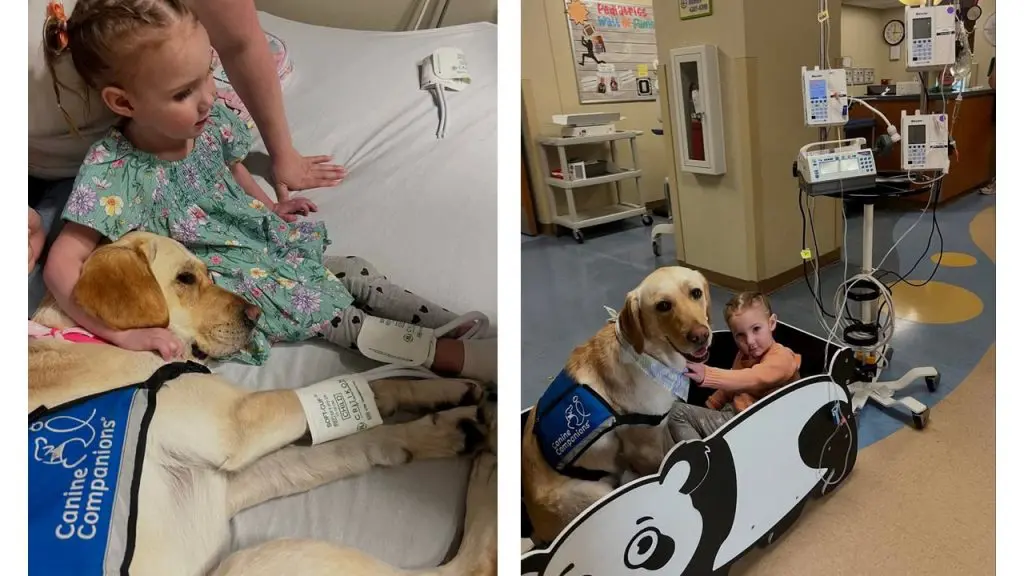
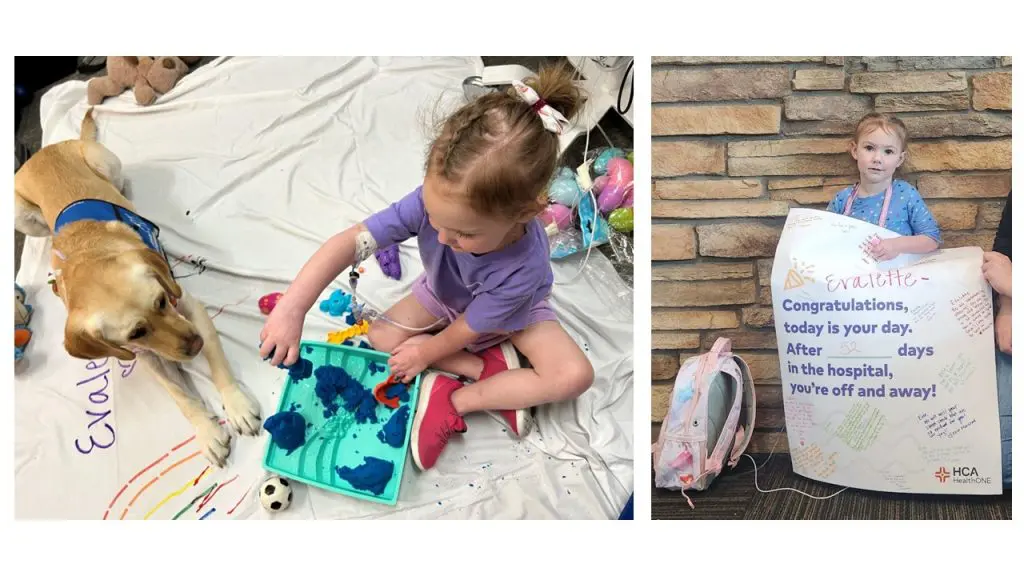
Then Evalette met Lemon, a trained facility dog at the hospital who is part of PAWS for RMC, a program supported by Rocky Mountain Children’s Health Foundation (RMCHF).

Lemon wasn’t just a distraction—she became a friend, a comfort, and a motivator. For Evalette, who has three dogs at home, Lemon was a comforting connection to life outside the hospital walls.

“Evalette loves Lemon, and Lemon loves her,” Taysha said. “Sometimes, if Lemon hears Evie’s voice in the hallway, she’ll try to leave the room she’s in just to go see her.”

Lemon helped Evalette through dressing changes, gave her the courage to start walking again, and sat quietly with her while she colored. That connection provided critical emotional support in a way that traditional medical care often can’t.

A Long Hospital Stay—With Love Along the Way

Evalette spent 52 days in the hospital during her first admission. When she finally got to go home, she needed Total Parenteral Nutrition (TPN) and had ostomies. Taysha knew they’d have to return for additional surgery to remove them and repair Evalette’s intestines.

But before that surgery could happen, Evalette developed a line infection and had to be readmitted. It was another scary experience, but this time, she had Lemon by her side, ready to provide the love, comfort, and presence only a dog can.

Now, after more than 89 days in the hospital, multiple surgeries, and ongoing treatment, Evalette is getting back to her usual self—the happy, playful child she was before all this.

Healing With Warm Hearts and Cold Noses

At Rocky Mountain Children’s Health Foundation, we know that emotional support for children goes a long way, especially when they’re amidst a medical crisis. From facility dogs to toys and books, this kind of comfort helps bring an element of normalcy, allowing them to just be a kid again for a while.

“Being in the hospital is hard, especially for a toddler,” Taysha said. “Lemon lit up her world and made it all a little bit easier.”

These programs are made possible by generous donors who believe every child deserves joy and comfort—especially in the hospital. Together, we are committed to easing the stress of long hospital stays for families receiving care across Colorado.

“What you’re doing is so important,” Taysha added. “It makes a long hospital stay just a little better, because kids get to experience a little bit of normal.”

Help Bring Comfort to More Kids Like Evalette

You can support the PAWS for RMC and other RMCHF programs by donating today. Your gift helps bring healing, joy, and hope to children when they need it most.


Ryan and Joey have been together since 2004. While they always dreamed of becoming dads, they weren’t sure if that dream would ever come true. When they were growing up, they didn’t see many families like theirs, and the idea of parenthood often felt out of reach.

But as the world began to change, so did their hope. Eventually, they decided to take the leap. An incredible egg donor, a dedicated surrogacy team, and one little heartbeat later, their long-held dream began to take shape. Ryan and Joey were finally on the path to parenthood.

Baby Caleb

Just as they were soaking in the joy of learning that their son Caleb was on the way, they received heartbreaking news: Joey was diagnosed with incurable Stage IV lung cancer. In that moment, their journey to parenthood became more than a dream—it became a mission. A mission to love fiercely, live intentionally, and give their baby the most meaningful start to life.

When Caleb was born, he was the perfect addition to their growing family. Ryan, Joey, and their loyal chocolate lab, Junior, welcomed him with love—stronger and more united than ever.

“We were overwhelmed with gratitude and awe that we were finally, finally a family,” they shared.

The newborn days were full of magical firsts: seeing Caleb recognize their voices, holding him skin-to-skin, and watching him sleep peacefully on their chests. But those beautiful moments were accompanied by real challenges. Joey had just begun cancer treatment, Caleb’s schedule was unpredictable, and feeding issues added stress to the already sleep-deprived new dads.


“There was no guidebook—just instinct, love, and caffeine,” they said. “Through it all, Caleb brought light and purpose into every corner of our lives.”

Feeding quickly turned into a major source of worry. Caleb was having trouble tolerating formula, and Ryan and Joey feared that continuing to switch brands would only make things worse. Thankfully, their pediatrician mentioned that donor human milk might be an option and that’s when they got connected to Mothers’ Milk Bank.

Baby Caleb and his chocolate lab Junior

“We reached out almost immediately, and we’re so glad we did — it changed everything for us.”

Ensuring Caleb had a gentle, healthy start was deeply important to Ryan and Joey. Donor milk gave them a safe, nourishing option that his body could tolerate. But more than that, they felt supported by a community of families, some who had walked similar paths, offering love and care through their generosity.

“It’s strangers helping strangers out of love. That really stayed with us.”

Stories like Ryan and Joey’s wouldn’t be possible without the incredibly generous community of milk donors. These are parents who selflessly share their extra milk so that babies like Caleb can have the best possible start, often providing unseen, yet life-changing support during a family’s most vulnerable moments.

For new parents, this kind of help can make all the difference. Ryan and Joey say it best:

“You don’t have to have it all figured out. You don’t have to be perfect. Just be present, be kind to yourself, and accept help when it’s offered. It takes a village — whether that’s your family, your dog, your milk bank, or the barista who gets your name right after three hours of sleep. And remember: your love is more than enough.”


DENVER – AUGUST 2025 – August 2025 is officially Colorado Breastfeeding Month, thanks to a proclamation from Governor Jared Polis. This designation aligns with National Breastfeeding Awareness Month, celebrated nationwide during August.

The proclamation for Colorado Breastfeeding Month highlights the significant health benefits of breastfeeding for both infants and mothers, recognizing the important role human milk plays in creating “a foundation for lifelong health and wellness.” Breastfeeding provides essential nutrients and antibodies that protect infants from infections and diseases, promotes healthy growth and development, and strengthens the bond between parent and child. For breastfeeding parents, it can also reduce the risk of certain cancers, improve postpartum recovery, and contribute to overall well-being.

In the proclamation, Governor Polis emphasizes the “consistent and well-documented health, economic, and environmental benefits of human milk feedings” and recognizes the importance of “equitably address[ing] the needs of lactating and non-lactating parents and the providers that serve them.”

In addition to promoting breastfeeding, Colorado Breastfeeding Month is a time to emphasize the importance of milk donation. The benefits of human milk are well-established, though not all parents are able to breastfeed, at least not right away. Donor milk provides critical support for their babies, especially those born prematurely or with serious health complications.

Mothers’ Milk Bank, an Arvada-based nonprofit organization, works with breastfeeding parents with excess milk, collects and safely pasteurizes that milk, and distributes it to hospitals across Colorado and beyond. Donating milk to Mothers’ Milk Bank is a powerful way for lactating parents to give back to their community, both saving the lives of the most vulnerable babies and offering critical emotional relief to other new parents.

“Donating milk truly makes a life-saving difference,” says Rebecca Heinrich, Director of Mothers’ Milk Bank. “Right now, the need for donor milk is growing, and we’re calling on our community to help us meet the need. If you’re a new parent with extra milk, this is a powerful way to give back, and Colorado Breastfeeding Month is the perfect time to start.”

To donate milk, interested parents can contact Mothers’ Milk Bank at 303-869-1888 or visit milkbankcolorado.org.

Colorado Breastfeeding Month Proclaimation

New parents looking for resources on breastfeeding can visit The Colorado Breastfeeding Coalition’s website at www.cobfc.org. The Coalition collaborates with healthcare providers, policymakers, and community organizations like Mothers’ Milk Bank to help create a breastfeeding-friendly environment in the State of Colorado, ensuring parents have the support and education they need.

“We’re excited and grateful that Governor Polis declared August as Colorado Breastfeeding Month for the second year in a row,” said Katie Halverstadt, RN, IBCLC, and Chair of the Colorado Breastfeeding Coalition. “Breastfeeding plays such an important role in public health, and this recognition is a meaningful step towards building more awareness, support, and celebration of breastfeeding families here in Colorado.”

Kylie Christine Schwartz had a vibrant and joyful personality. From the moment she was born, her bright smile and big heart lit up every room. She was adored by her parents, Brad and Leslie, and she had a special love for dogs—her family’s golden retriever, Duke, was her first best friend. Before she was even 10 months old, Kylie was using Duke to pull herself up, learning to walk with his help. She followed him everywhere, always eager to be by his side.

Kylie was incredibly social and deeply loyal. As an only child, she cherished the sisterhood she found in playing soccer and her youth group. Her teammates became her extended family. Kylie was known for her kindness, compassion, and unwavering support for her friends.

After graduating from high school, Kylie enrolled at Metropolitan State University of Denver. She juggled full-time work, school, and spending precious time with her friends. Heading into her senior year, she received a promotion at a physical therapy practice and was excited for what the future held.

But then, everything changed.

Kylie Schwartz before her diagnosis

It started with a persistent rash that wouldn’t go away. Kylie saw multiple doctors, underwent biopsies, and met with specialists. Eventually, she was prescribed a cream commonly used for bed bugs, and the rash began to clear. But then she started feeling tightness in her throat.

“It felt like there was a band tightening around my throat,” Kylie shared in a video about her diagnosis.

At first, she thought it might be a genetic condition like the one her aunt had. An endoscopy showed nothing abnormal, and for a time her symptoms improved. But soon, she started experiencing chest pain, and her heart would race. A chest X-ray revealed a small dark spot near her heart. Though it raised concerns, her doctors didn’t consider it urgent.

Frustration mounted as her symptoms worsened. Kylie was now dealing with intense throat and chest pain, a relentless cough, and debilitating back pain.

“The back pain was horrible. I was in agony—it was the worst pain I thought I could ever be in,” she recalled in the video.

One day, while her parents were out of town, Kylie went to lunch with a friend. She coughed, touched her neck, and suddenly felt a large, swollen lymph node. She texted her mom: “I think I have lymphoma.”

When her parents returned, her symptoms had already escalated. Leslie—who worked at Kylie’s primary care office—told Kylie’s doctor how serious things had become. The doctor asked Leslie to bring her in immediately. Upon seeing Kylie, exhausted, swollen, and struggling to breathe, they ordered a CT scan that same day.

Kylie and Leslie waited at the clinic for results. Twenty minutes later, their world changed. A large mass was found in Kylie’s chest, suffocating her. She had to go to the emergency room immediately.

Leslie recalls that through tears and shock Kylie told her parents, “I knew I was going to be diagnosed with cancer. I had searched the internet.”

As she was being admitted, Leslie asked Kylie’s doctor what this could mean. The answer was likely lymphoma. She spent two nights in the hospital, during which the pain intensified. An MRI was ordered, and despite difficulty getting images because she couldn’t lie flat, they found enough to confirm the worst—the cancer was already widespread, likely stage 4.

Kylie was transferred to Presbyterian St. Luke’s Hospital, where she underwent a painful surgery to remove a lymph node. Afterward, her doctor arrived with heartbreaking news:

“Kylie, you have Alveolar Rhabdomyosarcoma. Stage 4.”

“What’s the survival rate?” Kylie asked.

“Twenty percent.”

“I remember thinking, what? I’m going to die? How could my life change so drastically like this?” Kylie said

She was transferred to the Pediatric Intensive Care Unit (PICU) at Rocky Mountain Children’s (RMC). Though she was 22, her diagnosis was a pediatric cancer, which meant she would be treated as a pediatric patient.

Kylie bravely underwent extensive chemotherapy at RMC and proton beam therapy in Chicago. After months of treatment, she was declared cancer-free and began planning a girls’ trip to celebrate. But just six weeks later, a routine scan and follow-up biopsy revealed the cancer had returned—with a vengeance.

But Kylie kept fighting. She began oral chemotherapy immediately, but the cancer spread to her brain.

“At this point, she knew she couldn’t defeat the cancer,” Leslie shared. “But she was determined to live the rest of her life on her own terms. When she was admitted to hospice, her doctors asked how she wanted to spend her time. She said, ‘Travel and give back.’

Though devastated, Kylie was deeply grateful to her care team, especially her child life specialist, Christy. Together, they dreamed of bringing a facility dog to the hospital. Unlike therapy dogs that visit with handlers, facility dogs are full-time, highly trained companions integrated into hospital teams, offering comfort and support to young patients.

Kylie was missing home, her friends, and her two beloved dogs. Bringing a facility dog to Rocky Mountain Children’s became her mission.

Not knowing if she had one month or six, Kylie sprang into action. She designed a t-shirt and launched a fundraiser. To her amazement, people from all over supported her dream—many of whom she’d never met.

Kylie passed away on December 12, 2019, just four months after learning her cancer had returned. While she didn’t live to see the result of her efforts, she knew exactly what she wanted: to bring joy and comfort to the children who would come after her. She hoped the dog would help other patients and ease the burden on the nurses and staff who had supported her so lovingly.

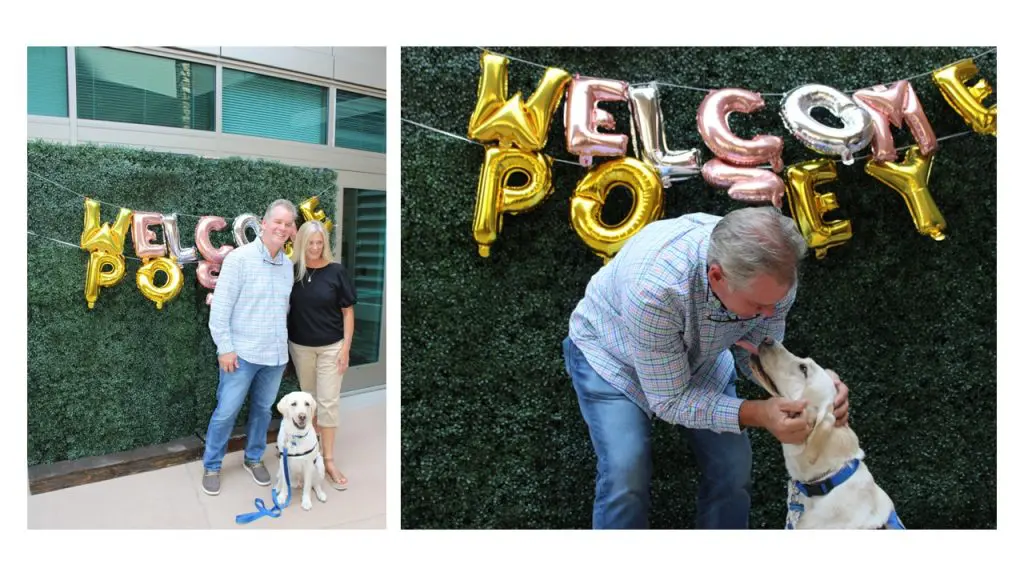
In May 2021, Kylie’s vision came to life. Thanks to Kylie’s efforts and the dedication of Leslie and Brad, Rocky Mountain Children’s Health Foundation launched PAWS for RMC and welcomed the first facility dog at RMC, a sweet lab named Posey.

“The day we met Posey for the first time was filled with happiness, tears, and hugs from so many staff members we hadn’t seen since Kylie left the hospital for the last time,” Leslie said.

The PAWS for RMC program has since grown to include Lemon, another facility dog, and continues to reflect the way Kylie chose to live her life: with courage, generosity, and love.

“Kylie lived exactly how she wanted, choosing how to spend her final days. She wanted people to remember her with a smile,” Leslie said. “Every smile that Posey and Lemon bring to the children and staff is a testament to Kylie’s victory over cancer. She won. For me and Brad, seeing the joy that Posey and Lemon bring to RMC continues to bring us peace and healing. We are so proud of our sweet Kylie and know her legacy will inspire others.”

They also offer advice to families navigating similar journeys:

“For parents, grandparents or caregivers in this situation, I can only give one piece of advice: make memories!” Leslie said.  “Remember and document both the difficult and the not so difficult days so that when hard times return, you can remind your child—and yourself—how far they’ve come, how resilient and brave they truly are.”

At Rocky Mountain Children’s Health Foundation, we are honored by Kylie’s legacy and deeply grateful for the Schwartz family’s continued support. Because of Kylie’s heart and vision, the PAWS for RMC program has brought comfort, hope, and healing to thousands of pediatric patients and families. Her spirit lives on in every wag of Posey’s and Lemon’s tails, and in every smile they bring to the children they visit.

Thank you, Kylie. Your legacy is love.